
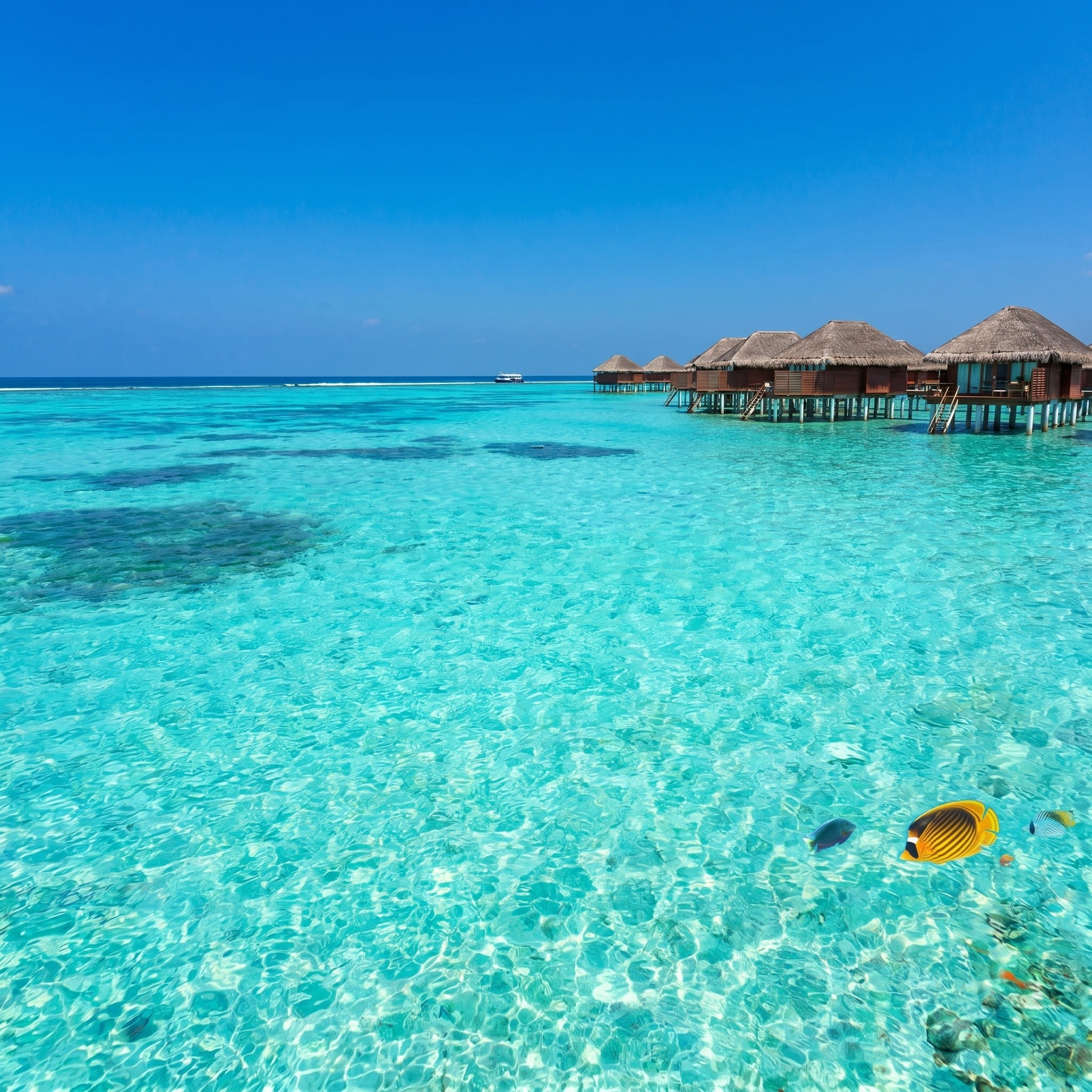
Most visitors to the Maldives spend their entire trip on a single resort island, rarely venturing beyond the reef that surrounds it. And while that experience is genuinely wonderful, it tells only one story of a destination that has many. Island-hopping in the Maldives means moving between different types of islands — inhabited local islands, uninhabited desert islands, luxury resort islands, and everything in between — building a layered picture of this extraordinary country rather than a single, filtered snapshot of it.
Understanding the Types of Islands
The Maldives has over 1,200 islands, divided into several categories:
Inhabited islands are home to the local Maldivian population — these are genuine communities with schools, mosques, markets, and fishing harbours. Staying on an inhabited island gives you a far deeper cultural understanding of the country than any resort can.
Uninhabited islands range from lush, forested islands used for day trips to tiny sandbanks barely large enough to stand on. Resort islands are uninhabited islands that have been fully developed for tourism. Picnic islands are uninhabited islands maintained for day-trip visitors with basic facilities.
A Sample Island-Hopping Route from Malé
Day 1–2: Malé & Hulhumalé — Begin in the capital and explore its mosques, markets, and café culture before crossing to Hulhumalé for a night.
Day 3–4: Maafushi (Malé Atoll) — Jump on a speedboat to Maafushi, one of the most developed and visitor-friendly local islands. Snorkeling, sandbank picnics, and dolphin cruises are all available here.
Day 5–6: Guraidhoo (Malé Atoll) — A quieter, more traditional island with spectacular snorkeling directly off the beach. The reef here drops sharply and is home to sharks, rays, and turtles.
Day 7–8: Luxury Resort Stay — Transfer to a resort in South Malé Atoll or North Malé Atoll for two nights of indulgence before your departure.
Tips for Island-Hopping Successfully
Plan transfers in advance. Speedboats between islands operate on schedules and seats fill quickly in peak season. Book your inter-island transfers at least 48 hours ahead, or arrange them through your guesthouse.
Respect local customs. On inhabited islands, dress modestly away from designated bikini beaches. Cover your shoulders and knees in public areas, particularly near mosques.
Pack light. Moving between islands frequently is far easier with a single carry-on bag and a small daypack than with a large checked suitcase.
Build in flexibility. Weather can affect boat schedules. Do not book same-day connecting flights or transfers on the day you move between islands.
Best Tours for Island-Hoppers
Several operators now offer structured island-hopping packages that take the logistics out of your hands. These typically include speedboat transfers, accommodation on each island, and a curated selection of activities — snorkeling tours, sandbank picnics, fishing trips, and resort day passes.
For independent travellers who prefer to build their own route, local guesthouses are an excellent source of guidance. The owner of almost any guesthouse in Maafushi or Guraidhoo will happily help you plan your onward journey.